
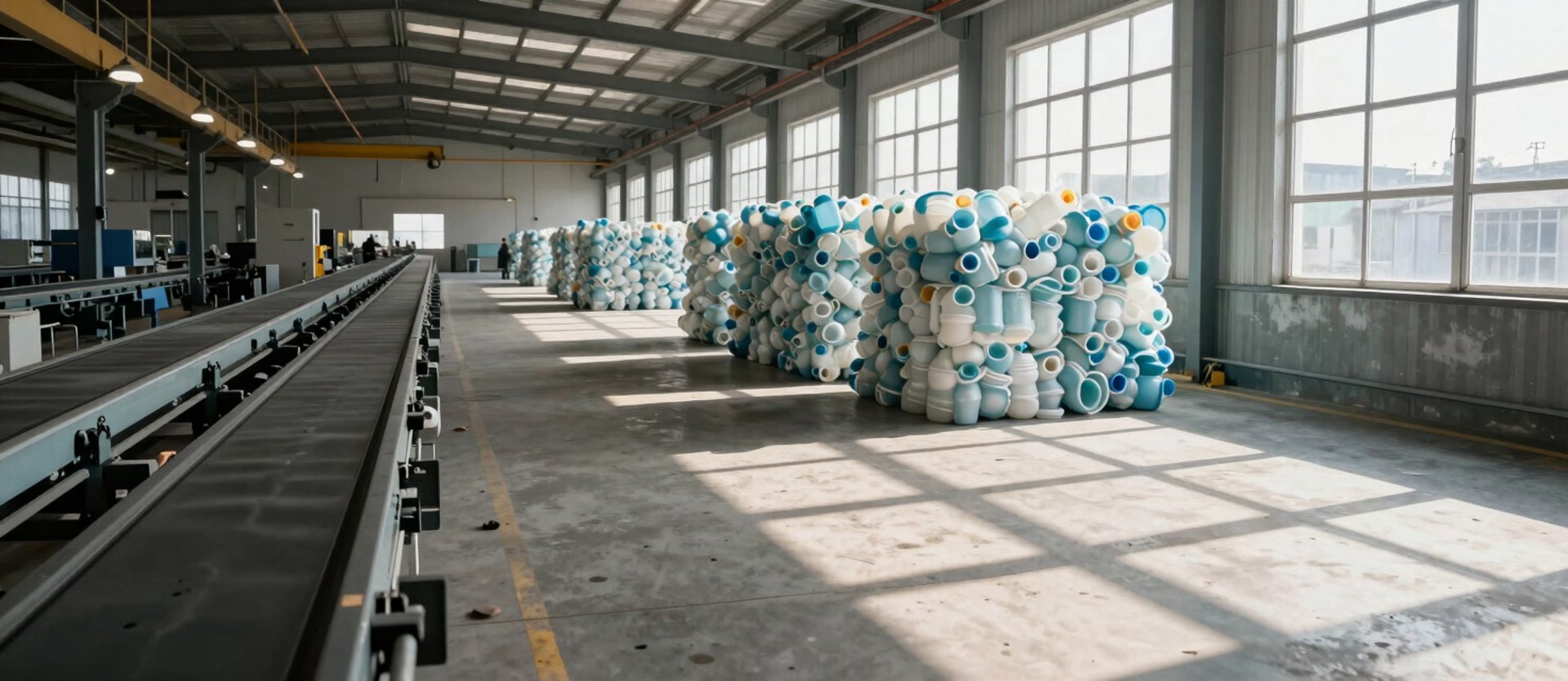
Integrated plastic recovery. Local feedstock. Industrial scale.
From collection point to processed feedstock — GreenMatter operates the full recovery chain inside Zimbabwe, building captive manufacturing capacity rather than exporting bales.
Throughput verified. Impact traceable.
Every metric is operational, not projected. These figures reflect active recovery and processing activity across our Harare facility.
2,400 t
94%
140+
8 grades
Plastic collected annually from municipal and industrial waste streams across Greater Harare.
Diversion rate — collected material processed into sorted feedstock, not landfilled or incinerated.
Direct and supply-chain jobs created across collection, sorting, and processing operations.
Plastic polymer types sorted and processed into traceable feedstock batches for downstream manufacturers.
Collection to feedstock — one system
Plastic Collection & Logistics
Scheduled collection routes across municipal and industrial sources in Greater Harare. Trackable volume per pickup point, segregated at source where logistics allow.
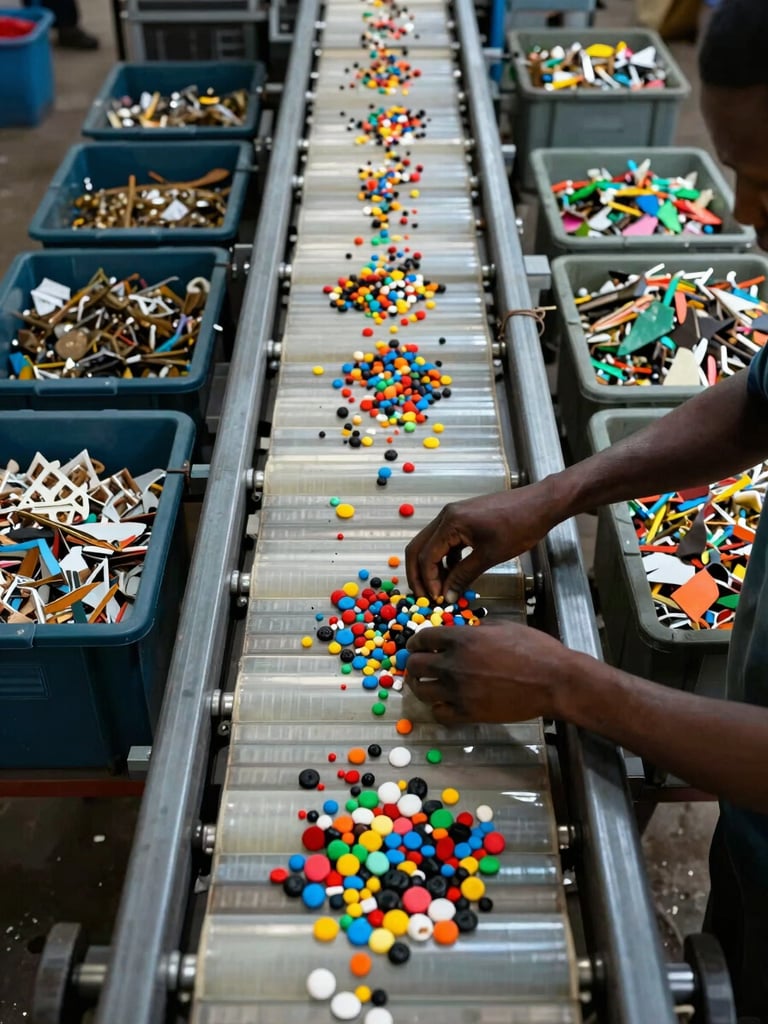
Sorting, Processing & Baling
Eight polymer grades sorted, cleaned, and baled to specification. Each batch is logged by weight and grade — full chain-of-custody documentation available to offtake buyers.
Pelletising & Manufacturing Pipeline
Capital investment now funds in-house pelletising capacity — converting processed bales into industrial-grade pellets for local manufacturers, closing the export gap.
The infrastructure gap is what we solve.
Active collection operations generate revenue today. The pelletising stage converts that supply chain into a local manufacturing asset — a capital-efficient path from waste recovery to industrial feedstock production.