
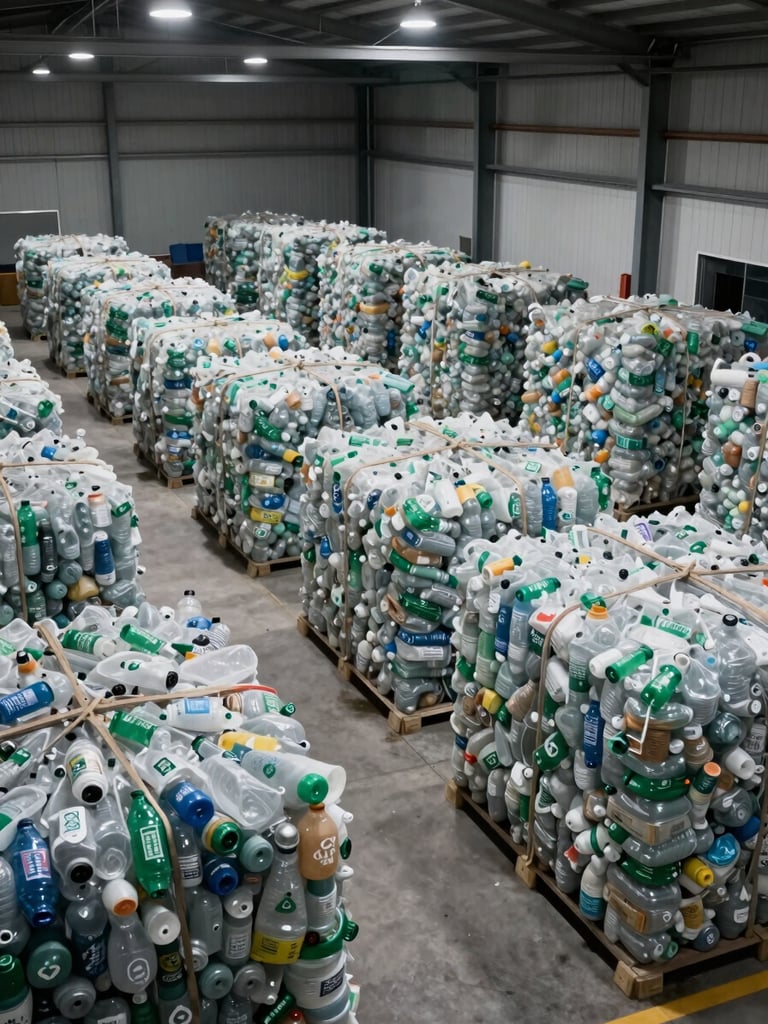
Impact reported per ton. Not claimed.
Every kilogram collected and processed is logged against operational data. Diversion rates, job creation, and supply-chain coverage are attributable at each stage — not estimated.
Measured at source. Reported by the ton.
1,200+
940+
78%
Metric tons of plastic collected from post-consumer and post-industrial sources across active collection zones.
Metric tons processed and diverted from landfill, converted into sorted and baled feedstock for downstream recovery.
Average diversion rate across all active collection points — tracked per intake batch and reconciled against processing output.
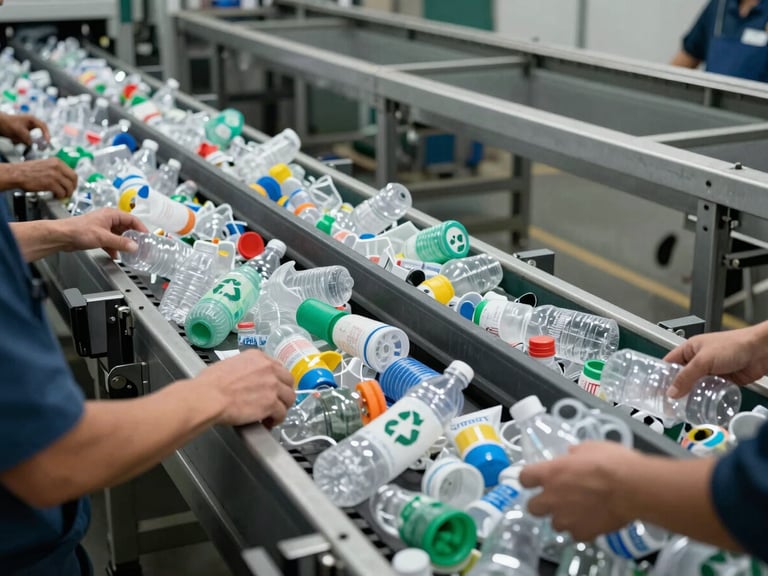
Jobs traceable at every processing stage
Collection, sorting, and processing roles are documented by function and location. Headcount, wage data, and tenure are tracked as part of the integrated supply-chain record — not reported as aggregate estimates.
Current direct and indirect employment spans collection crews, facility sorting staff, logistics operators, and equipment technicians across the Harare coverage zone.
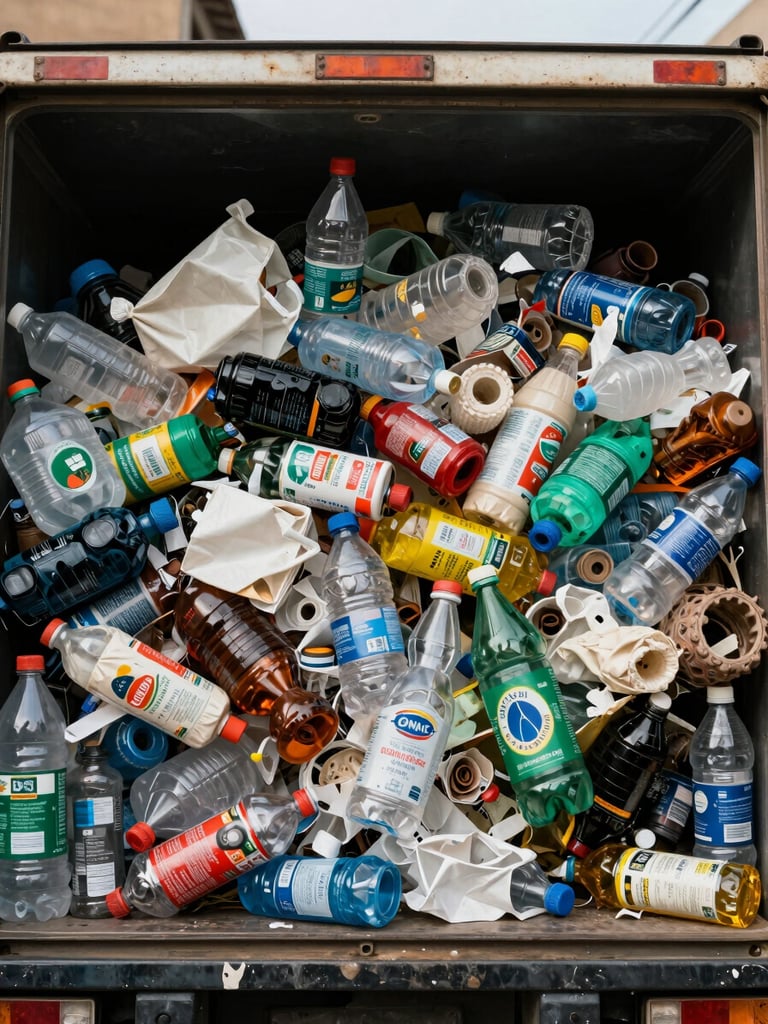
Collection infrastructure where none existed
GreenMatter's collection network operates in municipal areas previously without formal plastic recovery. Material that entered landfill by default now enters a documented processing chain with measurable diversion outcomes.
Each collection point is registered, scheduled, and reconciled against intake tonnage — giving councils and environmental partners an auditable record at the community level.