
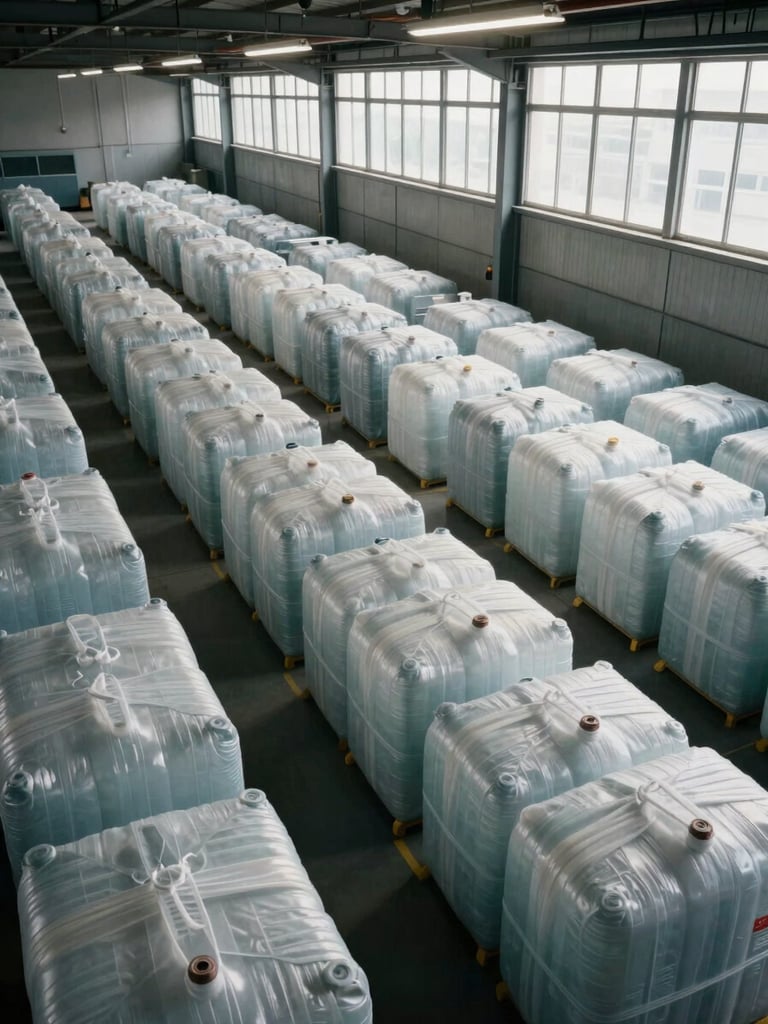
Built to close the infrastructure gap. Not to describe it.
GreenMatter operates a fully integrated plastic recovery and processing facility in Zimbabwe — collection logistics, sorting, and bale production under one traceable supply chain.
Zimbabwe generates over 20,000 tonnes of plastic waste annually. Less than 8% is recovered.
That gap is not a policy failure. It is a missing industrial layer — the collection logistics, sorting capacity, and processing throughput that turn waste into feedstock. GreenMatter was designed, capitalized, and built to be that layer.
Our founding team brings facility management, supply chain operations, and capital-market experience. Every process stage is documented, every ton traceable. Operational transparency is not a value statement — it is how we manage margin.
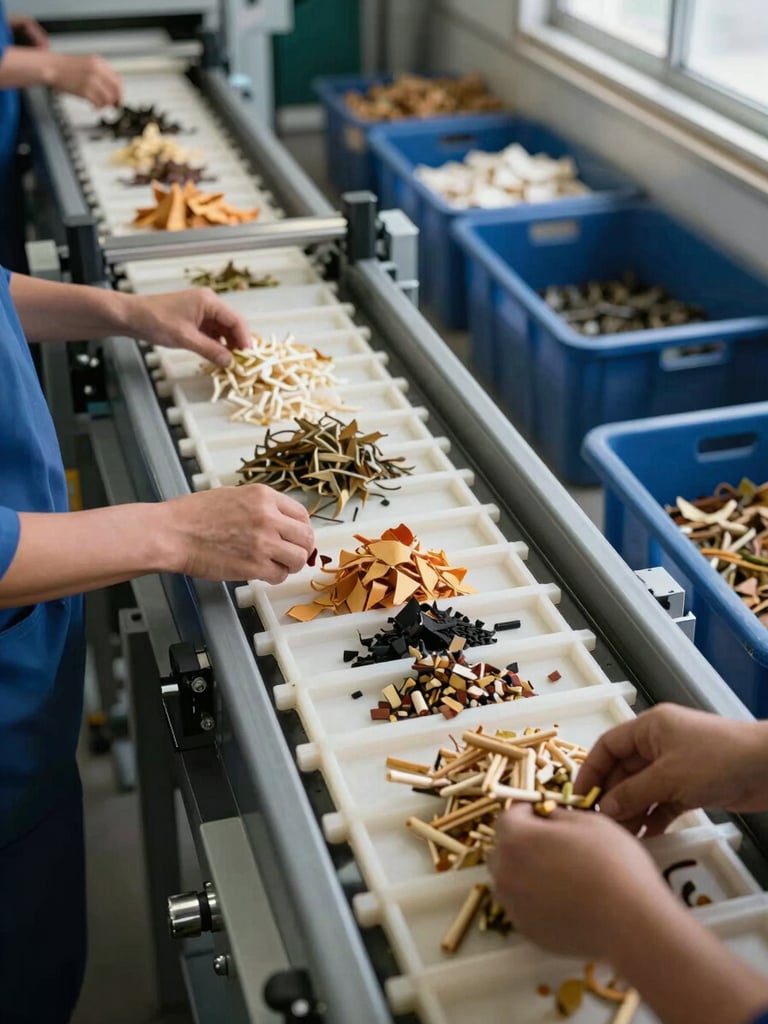
Collection to processed bale — one integrated system
Our facility handles inbound collection logistics, multi-stream sorting, compaction, and bale production. Each stage feeds directly into the next — no third-party handoffs, no traceability gaps.
The roadmap extends into in-house pelletising and downstream manufacturing. Recovered material becomes local industrial feedstock rather than an export commodity — a margin structure that compounds as throughput scales.